Facts & Views
Information about meat production, labelling, and industry perspectives. Articles cover farming methods, costs, consumer misconceptions, and different viewpoints on meat consumption.

Butchering Your Own Cuts of Meat
Save money by butchering whole cuts of meat at home, starting with chicken and working up to larger cuts with the right tools.
Common Misconceptions About Meat
Meat myths debunked: why sealing meat doesn't trap juices and organic meat costs less than you think.
How Cheap Meat Is Reared
Cheap meat comes from poor conditions you'd rather not know about, but buying less and choosing better quality is easier than you'd think.
How Good Quality Meat Is Reared
Good quality meat comes from how farmers are paid, buy direct from farmers and you get better animal welfare without paying more.

Questionnaire: What Do You Know About Meat?
Test your knowledge of meat facts, from disease origins to cooking cuts and the cultural importance of meat in our lives.

The Farmer's View on Meat Eating
British farmers explain how health crises and supermarket power have shaped their views on meat production and survival.

Views of the Vegetarians
People choose vegetarianism for different reasons, from health and ethics to religion, and what counts as vegetarian varies more than you might think.
What Do Different Animals Eat?
Understanding what animals eat helps you make better choices about the meat and products you buy for your family.
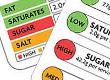
What Meat Labelling Means
Understanding what meat labels actually mean and how to spot where your food really comes from.

Why Is Organic Meat More Expensive?
Organic meat costs more because of stricter farming standards, smaller-scale production and higher animal welfare requirements than conventional farming.